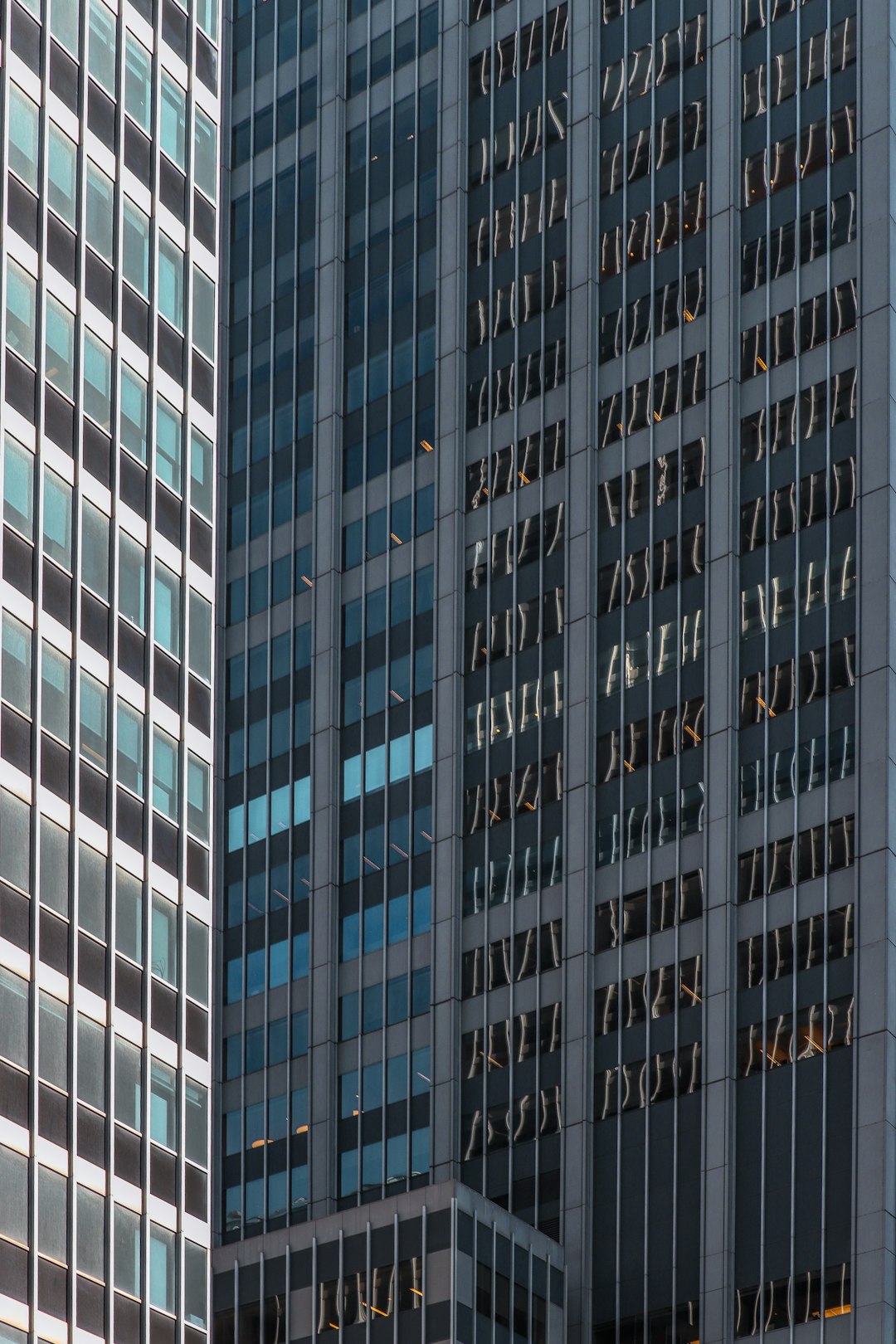
As we face growing environmental challenges, the role of sustainable architecture has never been more critical. Modern architects are pioneering innovative approaches to create buildings that not only serve their purpose but also minimize environmental impact.
The Green Revolution in Design
Sustainable architecture represents a fundamental shift in how we think about building design. It's not just about adding solar panels or using recycled materials—it's about creating a holistic approach that considers every aspect of a building's lifecycle, from initial design through construction, operation, and eventual deconstruction or renovation.
The integration of green technologies has become increasingly sophisticated. Building Information Modeling (BIM) allows architects to simulate energy performance before construction even begins, optimizing designs for maximum efficiency. Smart building systems can automatically adjust lighting, heating, and cooling based on occupancy and weather conditions, dramatically reducing energy consumption.
Key Principles of Sustainable Design
Several core principles guide sustainable architectural practice today:
- Energy Efficiency: Utilizing passive design strategies, high-performance insulation, and renewable energy sources to minimize energy consumption.
- Water Conservation: Implementing rainwater harvesting, greywater recycling, and water-efficient fixtures to reduce water usage.
- Material Selection: Choosing sustainable, locally-sourced, and recycled materials with low embodied energy.
- Indoor Air Quality: Ensuring proper ventilation and using non-toxic materials to create healthy interior environments.
- Site Integration: Designing buildings that work with their natural surroundings rather than against them.
"The future of architecture lies not in creating buildings that simply exist in the environment, but in designing structures that actively contribute to the health of our planet." - Sarah Mitchell
Innovative Technologies Leading the Way
Recent technological advances have opened new possibilities for sustainable design. Living walls and green roofs not only provide insulation but also improve air quality and manage stormwater. Photovoltaic glass can generate electricity while maintaining transparency. Advanced building materials like cross-laminated timber offer the strength of steel with a fraction of the carbon footprint.
The Path Forward
The future of sustainable architecture is bright, with continuous innovation pushing the boundaries of what's possible. As building codes evolve and public awareness grows, sustainable design is transitioning from a specialty practice to the standard approach. The buildings we create today will shape our environment for decades to come, making it imperative that we embrace sustainability not as an option, but as a fundamental requirement.
At ARCHIX, we're committed to leading this transformation. Every project we undertake incorporates sustainable principles from the ground up, ensuring that our work contributes positively to the built environment and the planet as a whole.